
Reclaiming Your Identity After an Abusive Relationship
Updated: Aug 4
I Looked in the Mirror and Felt Like a Stranger
Sometimes it takes years to realise how far you have drifted from yourself.

I remember looking in the mirror and feeling as though I did not recognise the woman staring back. Not because I looked different, but because I felt like a stranger to myself.
After years in an abusive relationship, I had become so used to adjusting, hiding and pretending that I no longer knew which parts of me were real and which parts had been shaped by survival.
Losing yourself does not always happen all at once. Sometimes it happens through hundreds of small moments when your needs, opinions and feelings are pushed aside.
Hello Brave Hearts
If this feels familiar, you are warmly invited into the Inner Freedom Facebook Community. It is a space for women rebuilding their lives after abuse, with no pressure to share more than feels safe.
The Masks We Learn to Wear
In an abusive relationship, you can become highly skilled at reading the room before you even enter it.
You learn when to stay quiet, when to agree, when to smile and when to make yourself smaller. You may begin choosing your words according to someone else's mood rather than your own truth.
Over time, the mask becomes automatic.
You say I am fine when you are not. You laugh at things that do not feel funny. You agree with opinions that make something inside you tighten.
At first, the mask may help you get through the day. But eventually it can become difficult to tell where the mask ends and you begin.
I spent years trying to make everything look normal. I made excuses for behaviour that had no excuse and kept painful truths hidden from family, friends and even my children.
The exhaustion was not only from what was happening. It was also from being someone I was not, day after day.
When Your Own Voice Goes Quiet
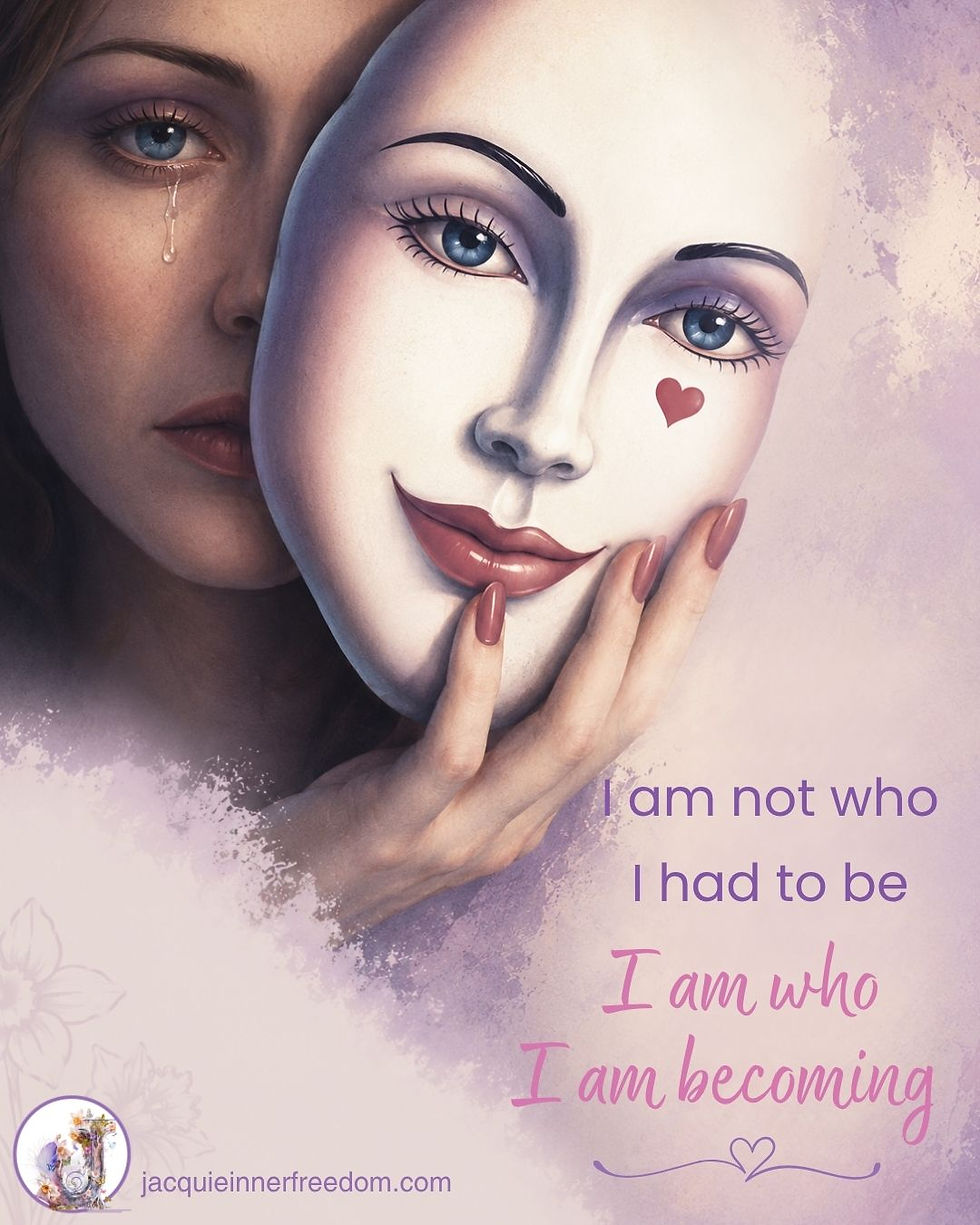
When you have spent years monitoring someone else's reactions, your own inner voice can become hard to hear.
Questions such as What do I think? What do I enjoy? What do I want? can feel strangely difficult.
I remember realising I had no real direction and no goals beyond getting through each day. My attention had been trained towards survival, not preference, curiosity or possibility.
And leaving did not automatically return those parts of me.
The relationship had ended, but the habits of disappearing had not.
Reclaiming Your Identity After an Abusive Relationship
Reclaiming your identity after an abusive relationship did not happen for me through one dramatic decision.
It began in ordinary moments.
When I automatically agreed with someone, I started pausing and asking myself, What do I really think about this?
When I noticed myself choosing according to what others wanted, I asked, What would I prefer?
Sometimes I found an answer. Sometimes I realised I had no idea.
Both experiences told me something important. I was beginning to listen again.
My preferences had not disappeared. They had been buried beneath years of adapting.
A Moment to Reflect
Where in your life do you still answer according to what will keep everyone else comfortable?
Pause without judging yourself.
Is there one small area where you could ask, What do I actually think, want or need here?
You do not need to have a confident answer. The moment of listening matters.
The Small Wins That Helped
What helped me most was noticing the small moments when I responded as myself.
The day I ordered the food I actually wanted.
The moment I shared an honest opinion without checking someone's reaction first.
The afternoon I did something simply because it brought me joy.
These moments may look insignificant from the outside, but they were evidence that I was returning to my own life.
I had spent so long thinking change needed to be dramatic that I nearly missed the quiet proof that it was already happening.
Try the Preference Practice
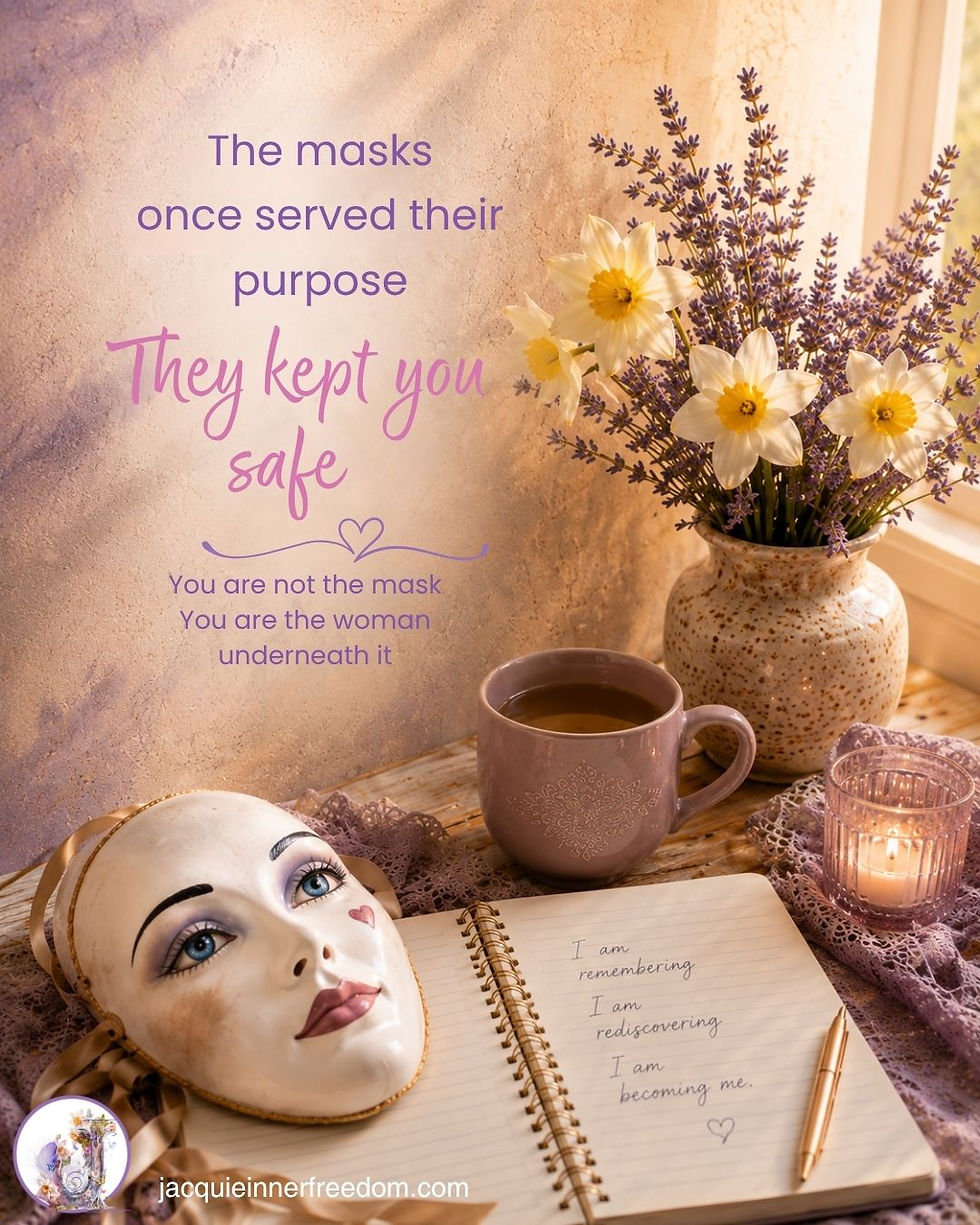
Choose one ordinary decision today and slow it down.
Notice your automatic response.
Ask, Is this what I want, or what I think someone else expects?
Choose one honest response that feels manageable.
It might be the meal you choose, the music you play, the way you spend an hour or the opinion you allow yourself to express.
This is not about becoming difficult or rejecting everyone else's needs.
It is about allowing your own voice to exist alongside theirs.
You Are Allowed to Meet Yourself Again
The woman you reconnect with may not be exactly who you were before the relationship.
She may be clearer about what she will accept. She may have different dreams, values and boundaries. She may surprise you.
That does not make her unfamiliar in the same painful way.
It means she is becoming yours again.
Reclaiming yourself is not about returning to who you were. It is about giving yourself permission to discover who you are now.
I share more about recognising small signs of change in Finding Light in Darkness.
A Place to Keep Finding Your Voice
If you would like to connect with women who understand what it can be like to rebuild your identity after abuse, you are warmly invited into the Inner Freedom Facebook Community.
You can read quietly, reflect privately and join conversations only when it feels right for you.
Holding hope for you,

P.S. If you would prefer a private place to begin, the Discover Your Healing Path Quiz offers a gentle way to reflect on what may support you now.




.png)

.png)

.png)

.png)
